
Local NDIS care,
wherever you call
home.
MMT Care delivers specialist NDIS support across Australia's eastern seaboard — with dedicated local teams in Sydney, Brisbane, the Gold Coast, and Melbourne who know their communities intimately.
Our Locations
Current SIL vacancies by city
Each location has a dedicated local team — support coordinators, clinical leads, and support workers who live and work in your community. Select your city to view available homes and current vacancies.
Sydney
New South Wales
Our Sydney team supports NDIS participants across greater Sydney — from the Inner West to the Hills District — with specialist SIL placements, hospital discharge coordination, and complex care.
Brisbane
Queensland
Our Brisbane team delivers clinically-led NDIS supports across South East Queensland — including the Gold Coast corridor — with a strong focus on complex behavioural and psychosocial care.
Melbourne
Victoria
Melbourne's local MMT Care team supports participants across metropolitan and outer suburban areas, with a particular specialisation in high-intensity clinical care and SIL for complex needs.
Gold Coast
Queensland
MMT Care's Gold Coast team supports NDIS participants across the Gold Coast corridor — Southport, Robina, Burleigh, Coomera, and surrounds — with SIL, SDA, and community-based support.
Understanding availability
How SIL vacancies work — and why they change
Vacancy listings on this page are a snapshot, not a live feed. Here's what's actually behind the numbers, so you know what to expect when you enquire about a SIL home.
Why vacancies change regularly
Homes open up for a few reasons: a participant transitions to a different living arrangement, a new home joins our network, or funding for a place is formally confirmed. There's no fixed release schedule — it reflects real movement in and out of homes, not a marketing cycle.
What affects placement timelines
The main factors are the participant's support complexity, how specific the housing requirements are, and whether SIL funding and a Roster of Care are already confirmed in the NDIS plan. Straightforward matches can move faster than complex ones — we'll give you a realistic estimate once we understand the situation, not a generic promise.
How we match participants to homes
We weigh support level, clinical requirements, behavioural considerations, and housemate compatibility together — not just whether a bedroom is free. That's also how support coordinators should read our vacancy listings: as a starting point for a conversation, not a guarantee of fit.
Want the specifics for a particular participant? Talk to our team — we'll tell you plainly what's realistic.
Why local matters
Clinicians and support workers who know your city.
Local hospital networks
Established relationships with discharge teams at hospitals in each city
Community knowledge
Support workers embedded in local neighbourhoods and networks
Faster response times
On-the-ground presence means faster urgent placement turnaround
State-specific compliance
Policies and practices aligned with each state's regulatory environment
Understanding SIL
What is Supported Independent Living — and is it right for you?
Supported Independent Living (SIL) is one of the most significant — and most misunderstood — NDIS support categories. Here's what you actually need to know.
What SIL actually is
SIL funds the support workers who assist you in your home — not the home itself. It covers the hours of assistance you need each day and night to live as independently as possible, whether that's help with personal care, medication, meal preparation, or community access. See our full SIL service overview for more detail.
Who is eligible
SIL is for participants who need daily support to live in their own home or in a shared arrangement. You need to have SIL funded in your NDIS plan. If you think you need SIL but don't have it funded yet, your LAC or support coordinator can help you request it at your next plan review.
Shared vs individual SIL
Many SIL homes are shared — three or four participants living together with a shared support team. This is the most common arrangement and often allows for richer peer connection and consistent staff. Individual SIL arrangements (one person, one home) are also available for participants with complex support needs.
SIL vs SDA — the difference
SIL funds the support. SDA (Specialist Disability Accommodation) funds the home itself — specifically for participants who need purpose-built accessible housing. Some participants access both. Others access SIL only and live in standard rental housing. See our accommodation options for the full comparison, including in-home SIL support.
How long does finding a SIL placement take?
There is no single answer — it depends on your specific support needs, available compatible housemates, and location. We are honest about this. The NDIS is not a system that moves quickly, and good matching takes time. We will give you a realistic picture from the first conversation, not an overoptimistic timeline.
What makes a good SIL home
Beyond the physical space, a good SIL home is one where the support workers know the residents well, routines are consistent, and housemates are well-matched. MMT Care takes compatibility seriously — we will introduce potential housemates and let you make the call before anything is finalised.
How it works
From first conversation to moving in — what to expect
We've guided hundreds of participants through this process. Here's what happens at each stage.

Initial conversation
We talk through your situation — support needs, goals, preferred location, and what matters most in a home. This is a genuine two-way conversation, not an intake form.

Assessment & planning
We review your NDIS plan and assess your support needs. If adjustments are needed, we'll advise your support coordinator on what to request. We won't start a placement process we can't finish.

Home matching
We identify homes with compatible current residents and the right support level. You'll be introduced — informally at first — before any commitment. We don't put people in homes where we have doubts about fit.
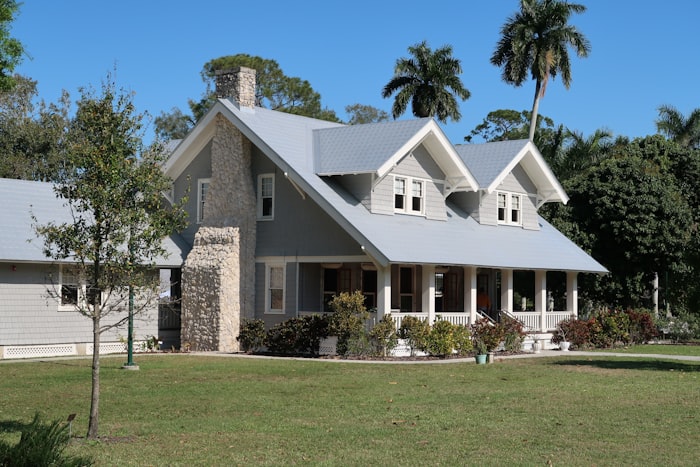
Home visit
A no-obligation visit to the prospective home — with you and/or your family or support coordinator. Walk through the space, meet the team, ask questions. There is no pressure to proceed.

Transition planning
Once you decide to proceed, we build your support plan, confirm staffing, and set a move-in date. If you're moving from hospital, we coordinate directly with the discharge team to ensure a safe handover.

Settling in
The first weeks matter. Our team checks in regularly, adjusts the support plan as needed, and makes sure your goals are being worked toward — not just managed around.
Support coordinators
Working with MMT Care — what coordinators need to know
We work alongside hundreds of support coordinators across Sydney, Brisbane, Gold Coast, and Melbourne. Here's how we work with you to get the best outcome for your participants.
- We're direct about capacity. If we don't have a compatible vacancy, we tell you — and we'll tell you what the waitlist looks like.
- We engage with complex referrals. We don't shy away from participants with challenging behaviours, forensic histories, or high clinical needs — these are the cases where our experience matters most.
- We communicate well. You'll hear from us with updates. We won't go quiet after intake.
- Hospital discharges are a specialty. We have established relationships with social work and discharge planning teams at major hospitals in each city.
Quick referral checklist
You don't need all of these to start the conversation — we can work with what you have.
What's available
Services by location
All four cities receive our core NDIS services, with local specialisations based on community need.
| Service | Sydney | Brisbane | Gold Coast | Melbourne |
|---|---|---|---|---|
| Supported Independent Living (SIL) | ||||
| Hospital to Home Discharge | ||||
| Daily Living Support | ||||
| Community Participation | ||||
| Complex Behavioural Support | ||||
| High-Intensity Clinical Care | ||||
| Psychosocial Disability Support | ||||
| Specialist Disability Accommodation (SDA) | ||||
| In-Home SIL Support |
Also see: In-Home SIL Support · Accommodation (SIL) · Daily Living Support
Common questions
Questions about SIL and our locations
Honest answers for participants, families, and support coordinators across Sydney, Brisbane, Gold Coast, and Melbourne.
Yes. MMT Care is a registered NDIS provider in Sydney, NSW. The Sydney team offers Supported Independent Living (SIL), hospital-to-home discharge coordination, daily living support, psychosocial disability support, and community participation services across greater Sydney — including Fairfield, Liverpool, Parramatta, Blacktown, Campbelltown, and surrounds.
Yes. MMT Care has a dedicated local team in Brisbane, QLD, supporting NDIS participants across South East Queensland. Brisbane services include SIL placements, complex behavioural support, hospital discharge coordination, SDA housing, and daily living assistance — across Brisbane CBD, Logan, Beenleigh, Ipswich, Redlands, Moreton Bay, and surrounding areas.
Yes. MMT Care is a registered NDIS provider on the Gold Coast, QLD, with homes and support workers across Southport, Robina, Burleigh Heads, Coomera, and surrounding suburbs. We offer SIL, SDA (Improved Liveability and High Physical Support), daily living support, and hospital-to-home coordination for Gold Coast participants.
In Melbourne, VIC, MMT Care provides Supported Independent Living, high-intensity clinical care, hospital discharge transitions, community participation, and daily living support. We have homes across the Western growth corridor — Wyndham Vale, Werribee, Hoppers Crossing, Point Cook, and Tarneit — as well as metropolitan Melbourne.
Look in your NDIS plan under the support category "Assistance with Daily Life" — SIL funding appears there. It may be listed as "Supported Independent Living" or have a line amount for that category. If you're unsure, your LAC, support coordinator, or plan manager can check. If SIL isn't yet funded but you think you need it, this is something to raise at your next plan review or through an access request.
You don't choose housemates the way you'd choose a flatmate, but compatibility is taken seriously. MMT Care will introduce you to prospective housemates informally before any placement decision is made. You can share your preferences — hobbies, lifestyle, noise levels, pets — and we work to find a home where you'll genuinely get along with the people you live with. You are never placed without having had the opportunity to meet the current residents first.
Yes. MMT Care works closely with support coordinators, plan managers, and LACs across all four locations. Coordinators can use our referral form or contact our intake team directly to discuss participant needs, available placements, and compatibility. We respond to all referral enquiries and are direct about whether we can help and what the timeline might look like.
Support needs change — this is expected. When a participant's needs increase or decrease, we review and adjust the support plan in consultation with them, their family, their support coordinator, and (where relevant) their treating team. If needs change significantly, we may need to have an honest conversation about whether the current home remains the right setting. We navigate these conversations carefully and with the participant's dignity and choice at the centre.
Vacancy listings are updated as homes fill and new ones become available, but availability can change between updates. If a specific home interests you, contact our team to confirm current status before making plans around it.
It varies by city and support type. Vacancies open up when a participant transitions to a different living arrangement, when a new home is added to our network, or when funding for a place is confirmed. There's no fixed schedule — regular contact with our team is the most reliable way to hear about openings that suit a particular participant.
Placement depends on the participant having SIL funding confirmed in their NDIS plan, a documented Roster of Care matching their support needs, and a compatible home being available. Housemate compatibility and the home's physical suitability are also assessed before any placement is finalised.
Some homes do, particularly where a specific support profile or location is in high demand. We're upfront about this — if a home has a waitlist, we'll tell you, and we'll help you understand what other options might suit in the meantime.
Yes. Support coordinators can contact MMT Care directly to check current vacancy status for a specific participant's needs rather than relying solely on this page, since availability can change between listing updates.
Ready to find your
local team?
Whether you're a participant, family member, or support coordinator — tell us your city and we'll connect you with the right people. Sydney, Brisbane, Gold Coast, and Melbourne.